How to Keep Your Brand Voice Consistent Across All Social Media Accounts?
Introduction
If you scroll through Instagram, LinkedIn, TikTok, or X and feel like some brands “just click,” that's because their voice is consistent.
Their posts, comments, stories, even replies—everything echoes the same identity. As competition rises, an inconsistent voice is one of the quickest ways to lose audience trust.
In this guide, drawing from real campaigns, agency experience, and tested frameworks, we’ll walk through how to define and maintain your brand voice across all social media platforms.
Why a Consistent Brand Voice Matters?
From working with dozens of brands across sectors (tech, wellness, fashion), some clear patterns have emerged:
-
Trust & Recognition
-
In a recent client audit, brands that adjusted language across posts (e.g., sounding way more formal on LinkedIn than on Instagram) saw a drop in comment rates by ~20% on less formal platforms. Users felt disconnected.
-
Recognisable tone means people know who’s speaking even before they see the name or logo.
-
Engagement & Reach
-
Posts that maintain voice consistency (same style, word choices, sentence structure) tend to get higher engagement—shares and comments—because followers know what to expect.
-
Competitive Differentiation
-
In many saturated niches (e.g., health & wellness, SaaS, consulting), features are similar. The way you communicate becomes a differentiator.
-
E.g., one wellness brand used a gentle, empathetic tone on all platforms and saw 35% higher retention in their newsletter list than competitors with a more generic “fitness-buzzword” voice.
How does a brand behave Consistently?
These are brands that get it right, in ways you can learn from:
-
NIKE: Their core voice (empowerment, performance, inclusion) adapts in form.
Instagram gets visual stories + concise emotional captions; LinkedIn gets detailed posts about strategy, athlete programs, and impact. Voice stays strong and aligned.
-
STARBUCKS: Warm, inviting, community-focused.
Whether it's a seasonal drink announcement or a sustainability update, Starbucks avoids cold language and uses sensory, “crafted”, “handmade”, and “community” words.
-
MAILCHAMP: Approachable, helpful, no jargon.
Even technical or feature-heavy announcements are framed simply, using a friendly tone. Email subject lines are close to conversation: “Need help with your campaign?” instead of “We have new features.”
How to Keep Your Brand Voice Consistent Across All Your Social Media Accounts
Here’s a step-by-step approach marketers and small businesses can actually use:
1. Document Your Brand Voice
Start by defining 3–5 voice pillars that describe your brand personality (e.g., friendly, expert, empowering). Write down what each trait means—and what it doesn’t. For example:
-
Friendly → Use conversational words like “you” and “we.” Don’t use stiff corporate jargon.
2 . Adapt, Don’t Change, Per Platform
Your voice stays the same, but the tone adjusts depending on the platform:
-
Instagram/TikTok → Playful, short, emoji-friendly.
-
LinkedIn → Professional, data-driven, but still human.
-
Twitter/X → Snappy, witty, concise.
Example: Starbucks uses the same warm, community-driven voice everywhere. On Instagram, they say “Pumpkin Spice is back”; on LinkedIn, it’s “Seasonal flavors are part of how we create meaningful connections with our community.” The vibe is the same, just adjusted for context.
3. Use Tools That Protect Your Voice
Free tools can make this way easier:
-
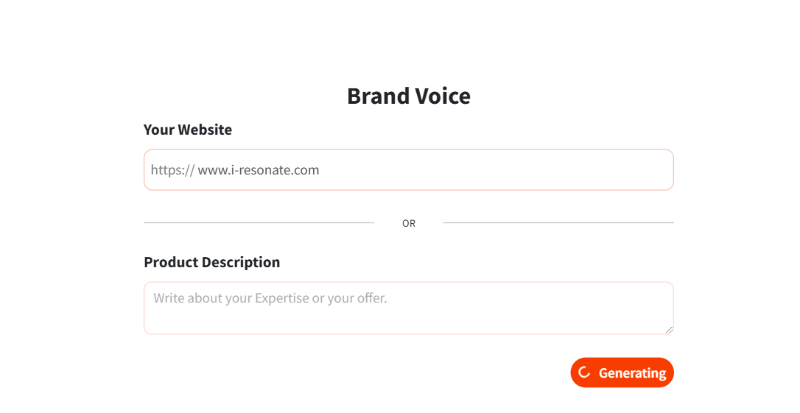
ContentCraft → Stores your brand voice and generates captions across platforms so you don’t drift off-brand.

-
SmartProof → Catches tone inconsistencies while proofreading.
-
Canva + Scheduling tools → Help align visuals + captions with your brand personality.
4. Train Your Team (or Yourself)
Whether it’s just you or a whole content team, consistency comes from shared understanding. Save strong examples of past posts (“voice bank”), run quick reviews before posting, and update your guide every 6 months.
5. Audit Regularly
Check your last 10–15 posts across all platforms. Do they “sound” like the same brand? If not, fix the drift early.
Brands that audit quarterly stay far more consistent (and credible) than those that post on autopilot
LEARN 7 Steps to Brand Your Business Successfully (With Real-Life Examples)
How to Define & Document Your Brand Voice
Here are essential steps and rules to follow—drawn from agency best practices and what works in real deployments.
|
Step |
What to Do |
Why It Matters |
Example |
|
Step 1: Identify Core Values & Audience |
Interview founders/marketers: What are our values? What do we believe in? Also, research audience: tone preferences, language, and content they engage with. |
Ensures voice is authentic and appropriate. |
A finance SaaS firm discovered their audience preferred straightforward, no-jargon language—so they replaced “synergies” and “optimization” with simpler terms. |
|
Step 2: Choose Voice Pillars (3-5 Traits) |
Pick three to five adjectives (e.g., Empowering, Friendly, Expert). For each, define what that means and what it doesn’t. |
Prevents internal drift (so people don’t accidentally go off-brand). |
For one client, “Friendly” meant using “you”/“we” often, avoiding corporate jargon; “Expert” meant citing data, using case studies but not sounding arrogant. |
|
Step 3: Build a Voice Guide / Style Document |
Include: voice pillars; do’s & don’ts; sample phrases; platform-specific tone adjustments (e.g., Instagram vs LinkedIn vs TikTok); emoji policy; grammar preferences; word-lists to avoid. |
Gives everyone (writers, social media managers) a reference — consistency across people. |
One small business had multiple team members posting; after creating a guide, engagement uniform across platforms. |
|
Step 4: Platform Tone Matrix |
For each social channel, describe how tone changes in intensity (not personality): conversational vs formal, visual vs text heavy, emoji usage, humor level. |
Allows voice to adapt to platform expectations without diluting brand identity. |
Example: The brand “Glossier” uses softer, community-driven language on Instagram; on email, it's still warm but more detailed. |
|
Step 5: Content Templates & Caption Frameworks |
Create caption formulas (hook → value → CTA), content themes aligned with voice. Use templates to speed up creation. |
Maintains consistency even under tight deadlines. |
A fitness brand had a “Motivation Monday” template with a motivational hook, then an actionable tip, always ending with an inclusive call to action. |
|
Step 6: Proofreading & Tone Review Process |
Use proofreading tools + internal reviews. Everyone flags off-voice content with examples. |
Even seasoned writers drift. Review process catches drift before it goes live. |
One tech startup found that their LinkedIn became too casual over time — proofreading caught this and corrected it back to a semi-formal, expert tone. |
|
Step 7: Audit & Feedback Loops |
Monthly spot-checks + quarterly full audits. Use manual rating of recent posts. Gather audience feedback. Track metrics tied to voice consistency. |
Ensures voice stays strong, evolves as needed, and stays relevant. |
Brands that audit regularly can spot if a platform’s voice is slipping (e.g., Instagram becoming overly promotional rather than helpful) and correct course early. |
Check out: 8 Common Mistakes to Avoid When Scheduling Social Media
Which Free Tools & Generators Help You Stay Consistent on Social Media?
From hands-on work with brands, here are tools that not only schedule or design, but actively help maintain voice:
-
ContentCraft (free) — ContentCraft is one of the FREE AI BRAND VOICE GENERATORS that lets you store voice presets, generate captions, post or infographics across platforms that respect your voice pillars.
-
SmartProof — SmartProof is one of the AI Proofreading Tools for tone and clarity review; it flags inconsistencies like too formal/casual shifts.
-
Canva (free) — design templates so graphics match voice visuals; text-on-image style consistency.
Buffer — scheduling + preview across platforms so you can spot tone/format issues before publishing.
-
Notion — for brand voice guides, style rules, sample posts; accessible to everyone producing content.
Conclusion
Consistency of brand voice isn’t just about sounding polished—it’s about being unmistakably you. Brands that define core values, document their voice, use tools, audit regularly, and train their team consistently win trust and build loyalty.
FAQs
Q1: What is brand voice vs tone?
Brand voice = your stable personality (how you always communicate). Tone = variations you make for platforms or situations (celebratory, serious, playful) while staying within voice.
Q2: How often should I revisit or revise my brand voice guide?
Every 6–12 months, or sooner if your audience or business changes significantly (new product, new market, rebranding).
Q3: Can small businesses maintain voice consistency without big budgets?
Yes. Documented guides, free tools (ContentCraft, Canva, Buffer), plus discipline in reviewing work make it possible even solo or with small teams.
Q4: What metrics show voice consistency is working?
Engagement rates (comments, shares), consistency scores in audits, qualitative feedback from followers (“this post felt like you”), and sentiment analysis.
Q5: How many voice pillars are ideal?
3-5 traits/pillars. Too many dilutes clarity; too few may feel limiting. The best ones are distinct, relevant to your brand’s mission, and consistently visible across content.


anchal
I'm Anchal Mogha, an SEO Expert and Digital Marketer with a strong background in business development . With an MBA in Marketing and Business Analytics, I blend data-driven strategies with creative storytelling to help Brands grow Online.