10 DIFFERENCES BETWEEN BRANDING AND MARKETING YOU SHOULD KNOW !
INTRODUCTION
In 2007, Apple launched the first iPhone. The ads showed features, sleek design, and why you “needed” it—that was marketing. But why, even after 17 years and countless competitors, do people still camp outside Apple stores for every new launch? That’s branding.
Studies show that 81% of consumers say they must trust a brand before making a purchase. Marketing may grab their attention, but branding is what earns their loyalty. In fact, consistent branding across platforms can increase revenue by up to 23%.
In today’s hyper-competitive business world, companies don’t just sell products—they sell experiences, values, and trust. That’s where branding and marketing come into play. While these two terms are often used interchangeably, they are not the same.
In this article, we’ll break down the 10 major differences between branding and marketing, explore real-world brand strategies, and show you how AI-powered tools like a free AI brand voice generator can help you amplify both.
MARKETING AND BRANDING: AN OVERVIEW
-
Marketing is the set of actions a business takes to promote its product or service. It includes strategies like advertising, social media campaigns, SEO, and email marketing.In Simply terms,marketing grabs attention.
-
Branding is the process of defining who you are as a business—your mission, values, voice, and personality. It’s what makes people remember and trust you.. In Simply terms branding builds connection.
Think of it this way: Marketing tells people what you offer, branding tells people why it matters.
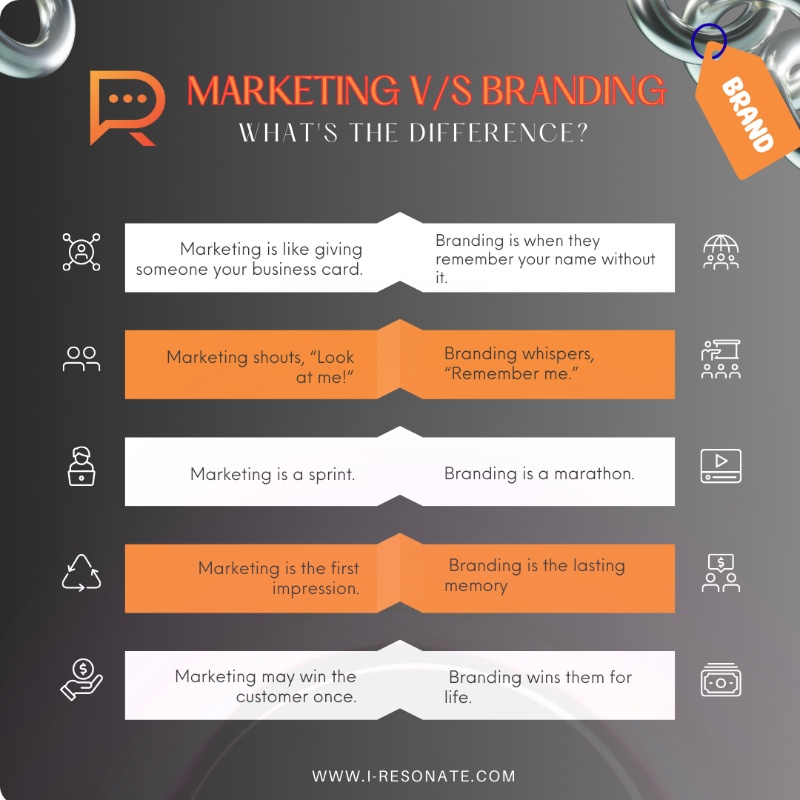
DIFFERENCE BETWEEN MARKETING AND BRANDING
Marketing and branding go together, but they have different purposes.
-
Marketing is about selling your products/services now.
-
Branding is about building a strong reputation for the future.
READ ABOUT: 7 Steps to Brand Your Business Successfully (With Real-Life Examples)
10 DIFFERENCES BETWEEN BRANDING AND MARKETING
Here are the top 10 differences between branding and marketing every business should know:
-
Purpose
-
Marketing: Drives sales and conversions.
-
Branding: Builds identity and loyalty.
-
Timeframe
-
Marketing: Short-term campaigns and results.
-
Branding: Long-term reputation and trust.
-
Focus
-
Marketing: Focuses on customer needs and market trends.
-
Branding: Focuses on company values and identity.
-
Strategy vs. Foundation
-
Marketing: A set of strategies and tactics.
-
Branding: The foundation that guides those strategies.
-
Customer Relationship
-
Marketing: Engages customers to buy.
-
Branding: Builds emotional connection and loyalty.
-
Communication Style
-
Marketing: Pushes messages outward (ads, campaigns).
-
Branding: Creates consistent tone and personality.
-
Measurement
-
Marketing: Measured by ROI, conversions, and engagement.
-
Branding: Measured by brand equity, awareness, and trust.
-
Message
-
Marketing: “Here’s what we sell.”
-
Branding: “Here’s who we are.”
-
Longevity
-
Marketing: Ends when the campaign ends.
-
Branding: Lives as long as the business exists.
-
Example in Action
-
Marketing: Coca-Cola’s “Share a Coke” campaign.
-
Branding: Coca-Cola’s identity as the symbol of happiness and togetherness.
DIFFERENCE BETWEEN BRANDING AND ADVERTISING
-
Branding = Who you are.
-
Advertising = Paid promotion of a product/service.
Example:
Nike’s “Just Do It” isn’t just advertising—it’s branding. Their ads don’t just sell shoes; they sell empowerment.
BRANDING VS MARKETING VS ADVERTISING
-
Branding → The core identity of your business (values, voice, vision).
-
Marketing → Strategies used to promote your business.
-
Advertising → Paid campaigns to highlight products.
Branding is the The heart,
Marketing is the muscle
Advertising is the megaphone.
REAL BRANDS
- Apple markets new devices but thrives because of its strong brand identity.
- Coca-Cola runs campaigns but stays timeless because of its branding.
- Nike sells shoes, but branding makes it a symbol of empowerment.
WHY IS BRAND VOICE IMPORTANT?
Your brand voice is how your brand communicates with the world. It builds consistency and trust.
-
86% of consumers say authentic brand voice drives loyalty (LucidPress study).
-
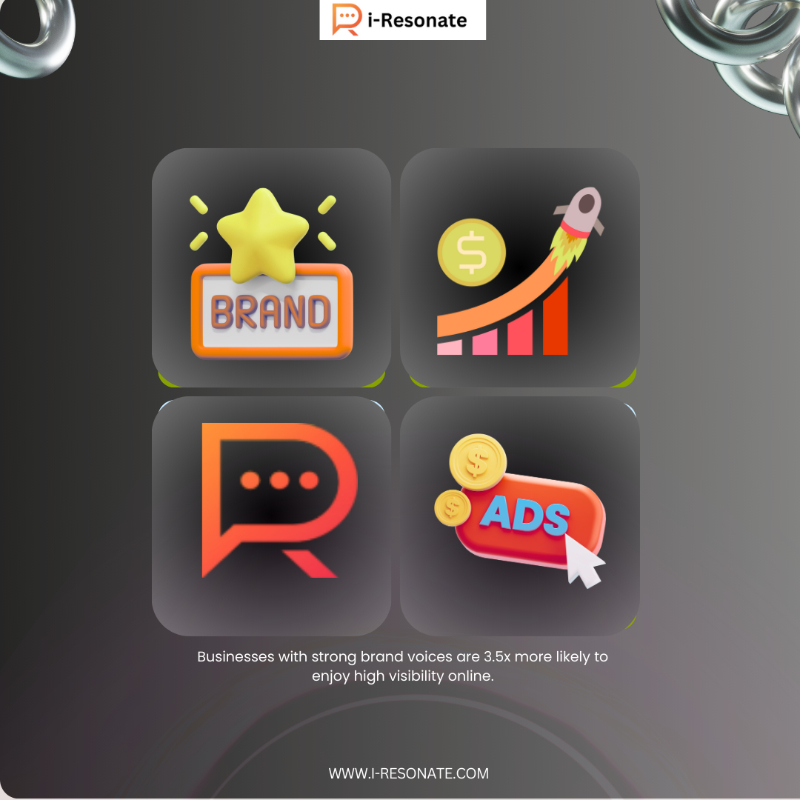
Businesses with strong brand voices are 3.5x more likely to enjoy high visibility online.
REAL BRANDS AND THEIR BRAND VOICE:
-
Apple → Simple, visionary, and inspiring.
-
Twitter → Bold, witty, and engaging.
-
Airbnb → Warm, inclusive, and community-driven.
READ ABOUT: How to Write LinkedIn Posts That Convert?
AI BRAND VOICE GENERATOR: CONTENTCRAFT
With AI tools like Contentcraft, you can create and refine your brand voice effortlessly.
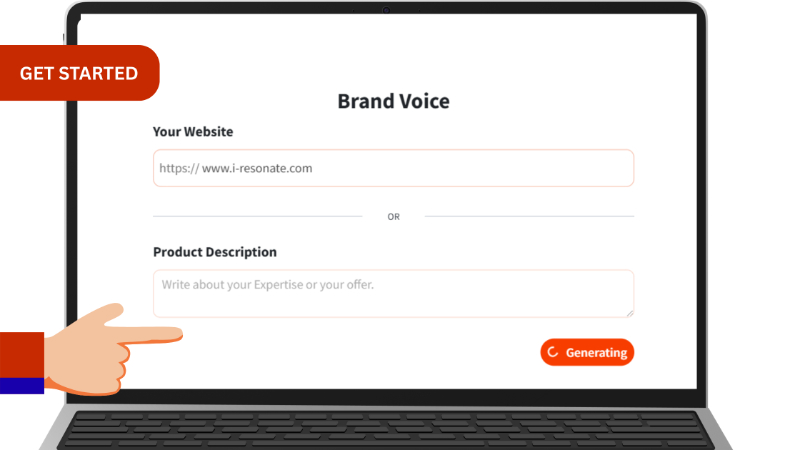
WHY USE AN ONLINE AI BRAND VOICE GENERATOR?
-
Ensures tone consistency across blogs, ads, and social media.
-
Helps maintain inclusive and culturally aware language
-
Generates SEO-friendly messaging aligned with your brand identity.
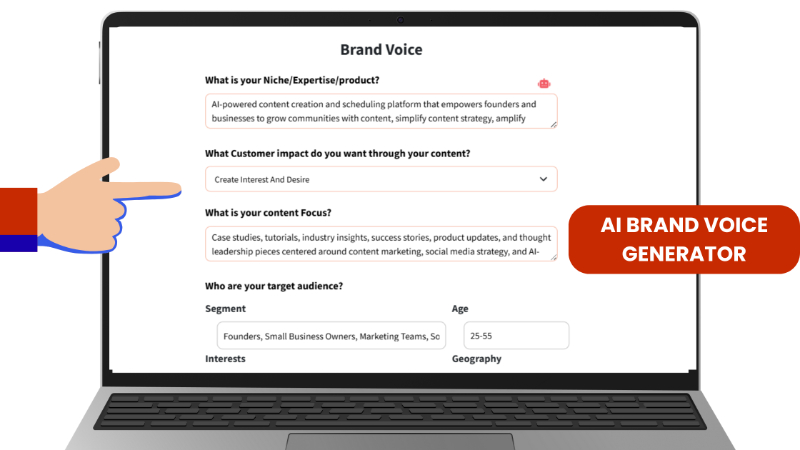
If you’re looking for a Free AI Brand Voice Generator, ContentCraft helps you find your authentic voice while scaling content creation.
CONCLUSION
Marketing and branding are different but inseparable. Marketing wins attention, but branding wins trust. Advertising amplifies both. Together, they shape how the world sees your business.
To succeed, focus on building a strong brand voice with Contentcraft.With Contentcraft, you don’t just market—you resonate.
Start with a Free AI Brand Voice Generator- CONTENTCRAFT and let your words shape your brand’s future.


anchal
I'm Anchal Mogha, an SEO Expert and Digital Marketer with a strong background in business development . With an MBA in Marketing and Business Analytics, I blend data-driven strategies with creative storytelling to help Brands grow Online.